
Sierra Living Concepts (SLC)
Creating a Unified Category & Paid-Landing Experience for Furniture Buyers
E-Commerce • E-Commerce • UX Strategy
Cohesive redesign delivering higher engagement, trust, and sales from ad click to category page for premium shoppers.
Introduction
Sierra Living Concepts (SLC) is a U.S.-based luxury furniture retailer with a significant online presence. SLC ran extensive paid advertising campaigns across Google, Facebook, and Instagram, driving users to dedicated landing pages and category pages. However, the experience from ad click to browse-to-purchase was fragmented — landing pages had different visual styles, inconsistent information architecture, and no clear path to related categories.
As the Lead UI/UX Designer, I was the sole designer on this project, collaborating closely with Saswata S. SenGupta (Sr. Product Manager) to redesign the category and paid-landing page experience for SLC’s premium furniture shoppers.
Problems & Insights
Problem 1: Lack of Storytelling and Brand Differentiation
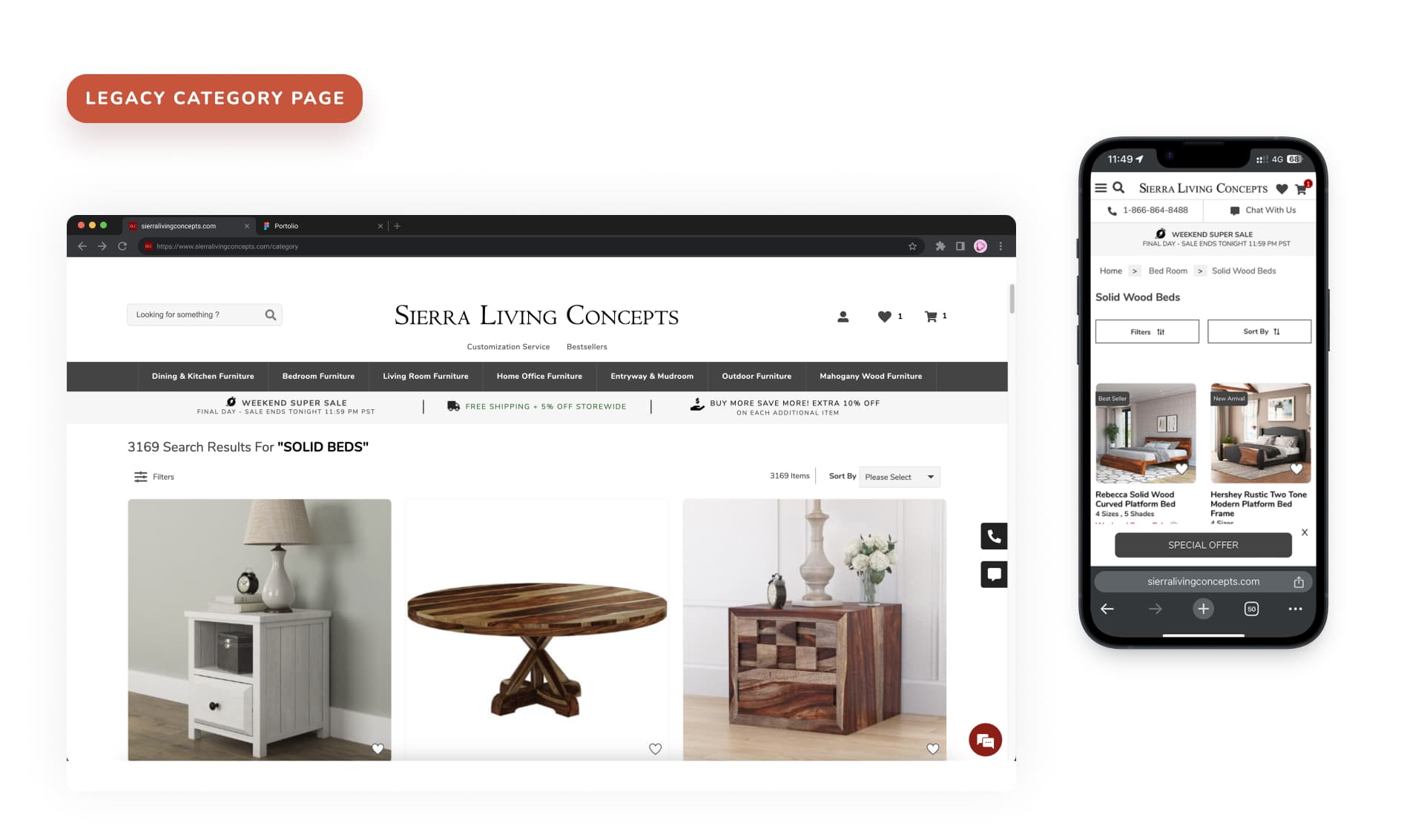
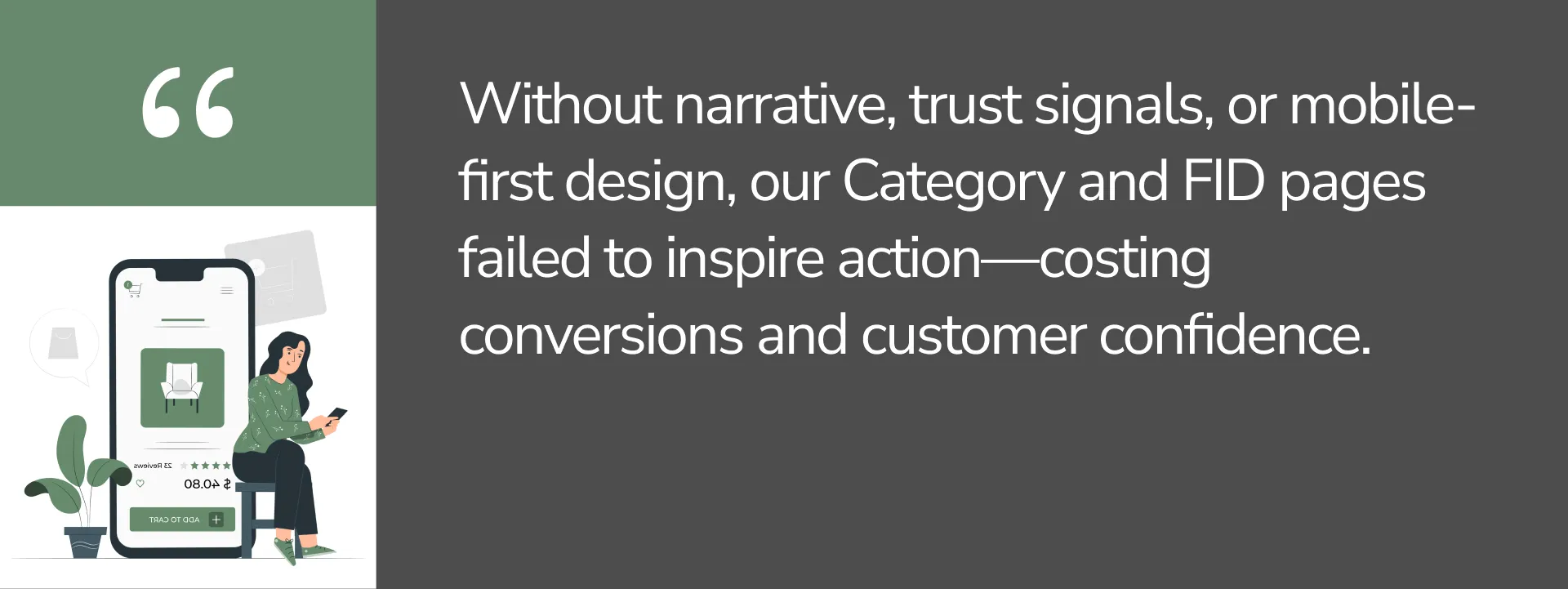
7 out of 10 users could not describe the brand’s unique qualities after browsing the old category pages — static, desktop-centric grids without narratives or value props. This weak brand connection led to shorter dwell times compared to competitors, resulting in lower engagement and conversion potential.
Problem 2: Weak Initial Engagement on Paid-Landing Pages
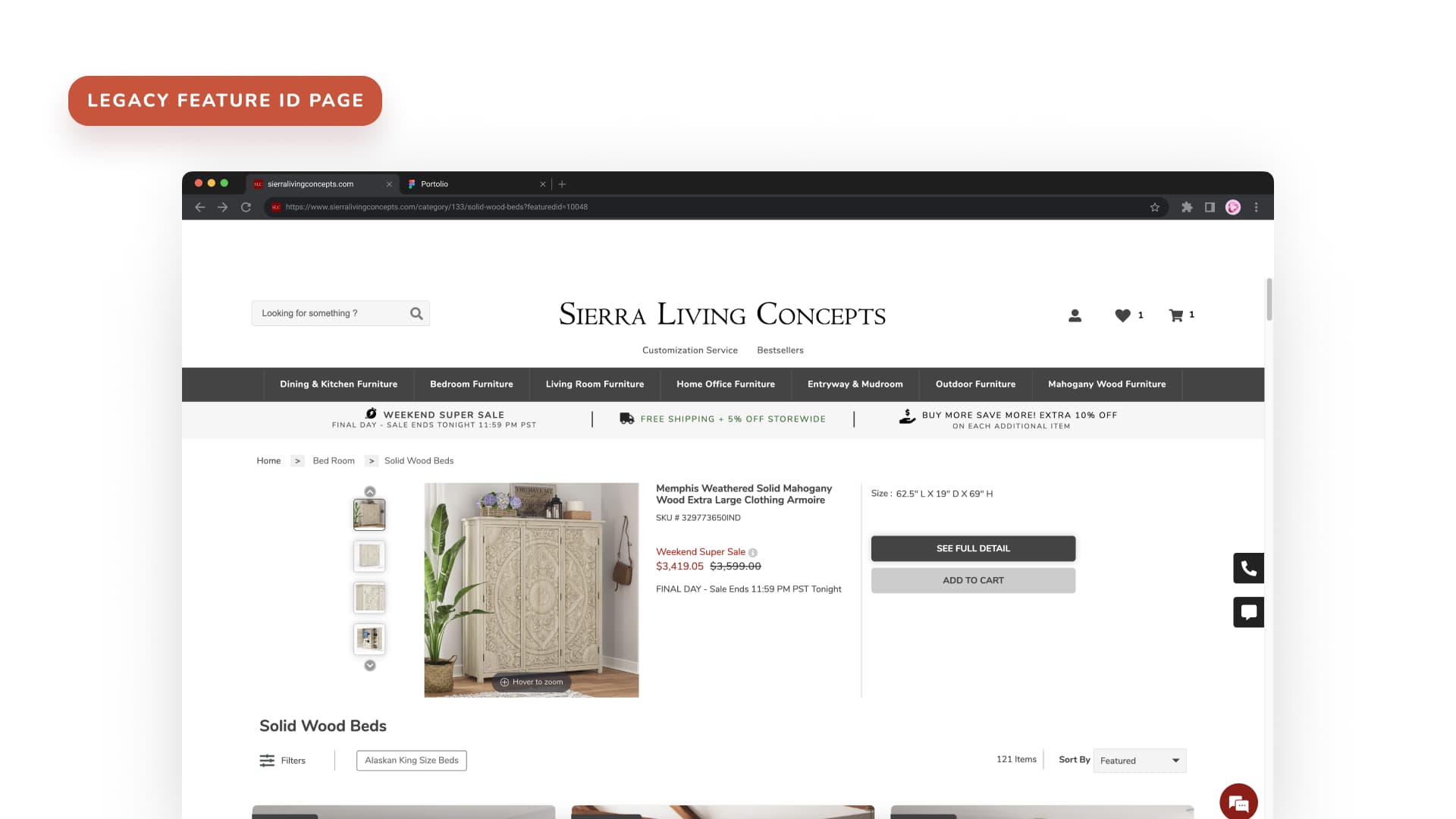
The old ad-landing templates were static grids without persuasive copy or trust elements in the first viewport, causing users from paid campaigns to leave before exploring further. This low first-impression impact meant fewer scrolls and weaker add-to-cart rates, reducing ROI on ad spend.
Problem 3: Desktop-Centric Layout Despite Mobile-Heavy Traffic
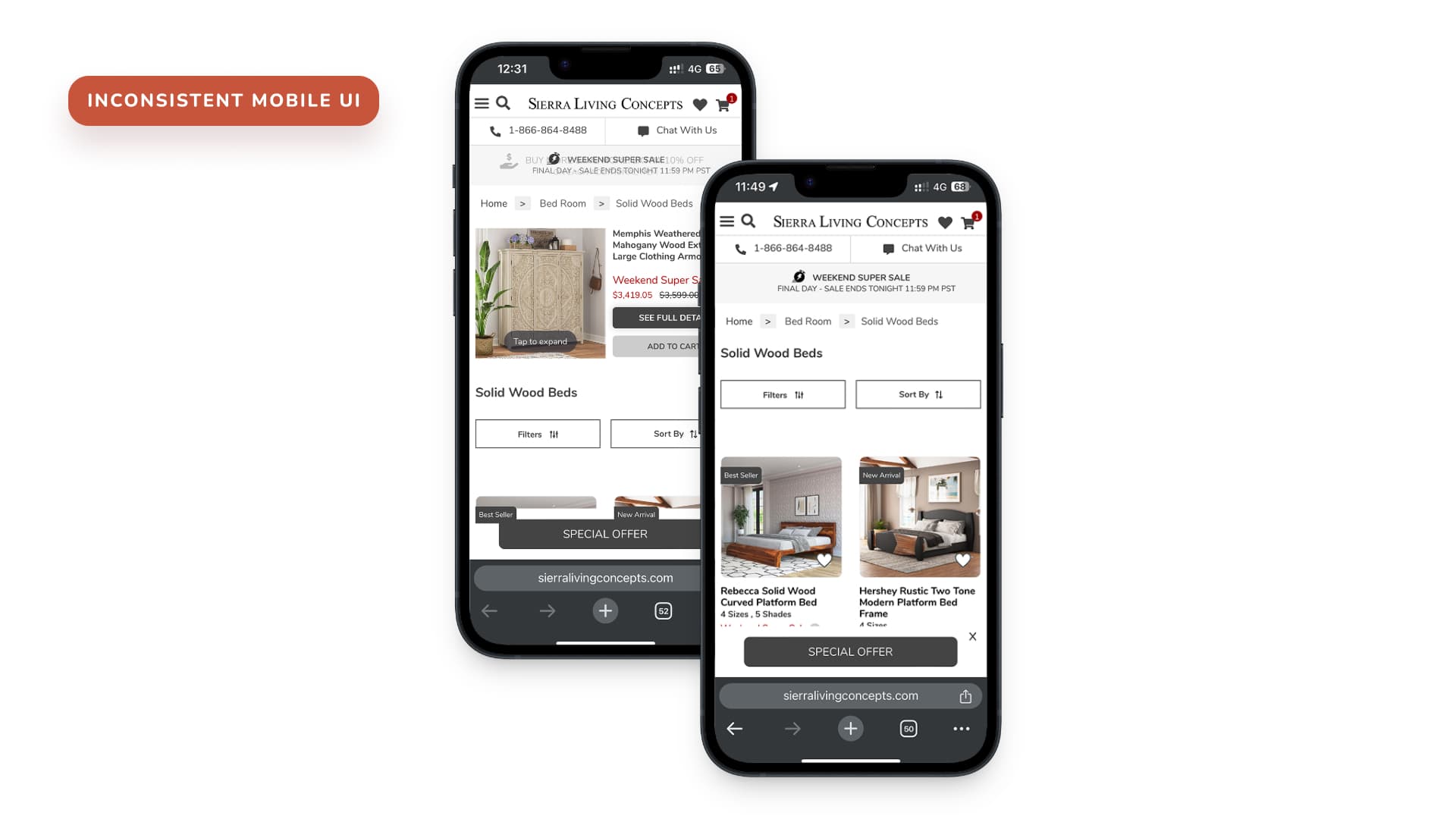
Category & FID grids were designed for desktop spacing and scaling, forcing mobile users to pinch, zoom, and scroll excessively to view products. Mobile visitors — 78% of total traffic — experienced slower navigation and higher drop-off, weakening the largest conversion channel.
Business Goals
Increase Category Page Engagement — Deepen user engagement by improving content relevance and visual appeal, increasing time on page and product discovery.
Boost Paid Ad Conversion Rates — Improve conversion rates by creating a cohesive and compelling experience from ad click to purchase, reducing friction and drop-offs.
Strengthen Brand Positioning — Elevate the premium look and feel of all category and landing pages to differentiate SLC in the competitive luxury furniture market.
User Goals
Find the Perfect Piece Quickly — Browse and filter products efficiently to find furniture that matches their style, size, and budget requirements.
Make Confident Purchase Decisions — Access detailed product information, lifestyle imagery, and customer reviews to make informed decisions on high-value purchases.
Enjoy a Premium Browsing Experience — Experience a visually rich, emotionally engaging journey that feels worthy of a luxury furniture brand.
Solution 1: Story-Driven Hero + USP Trust Bar
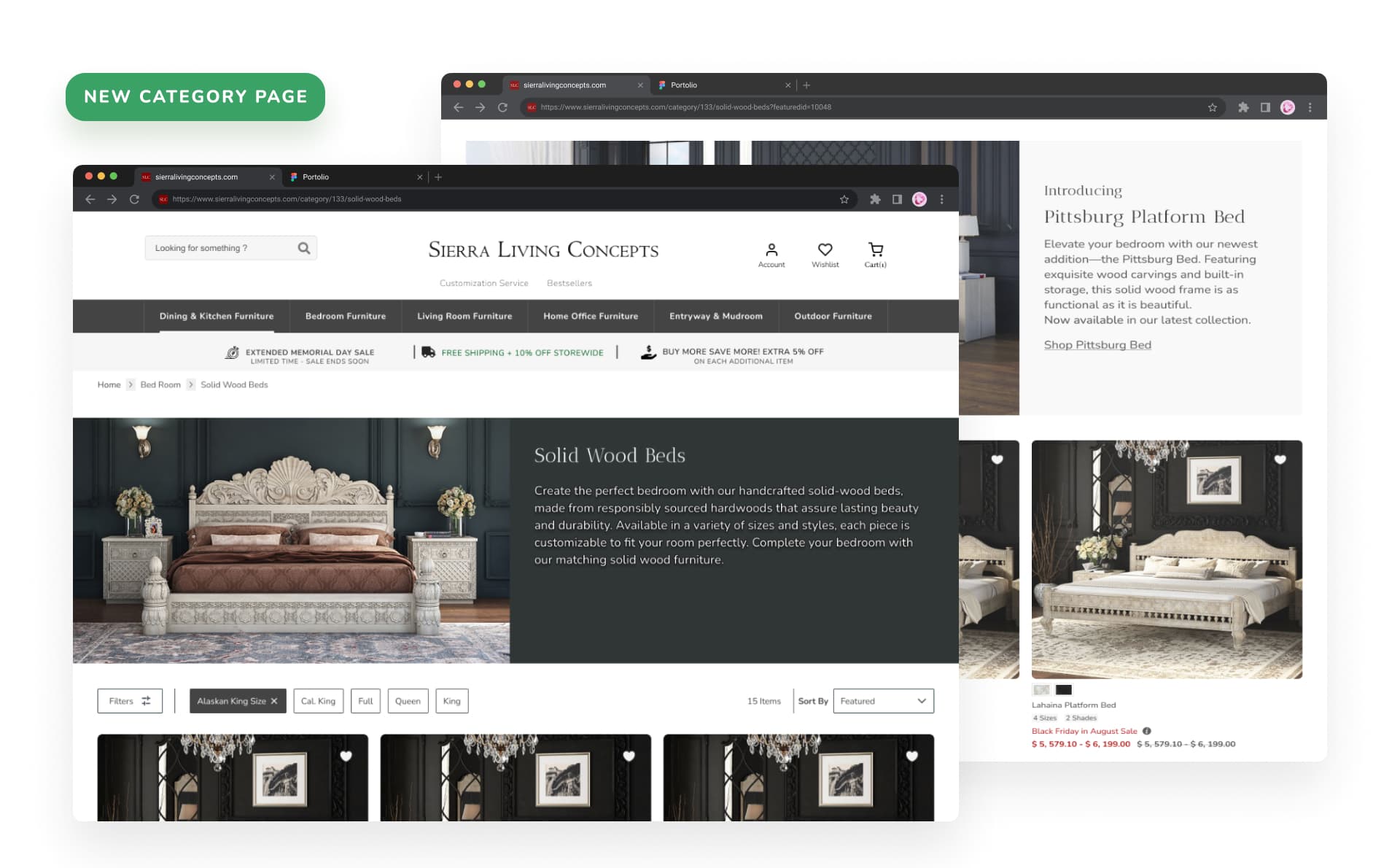
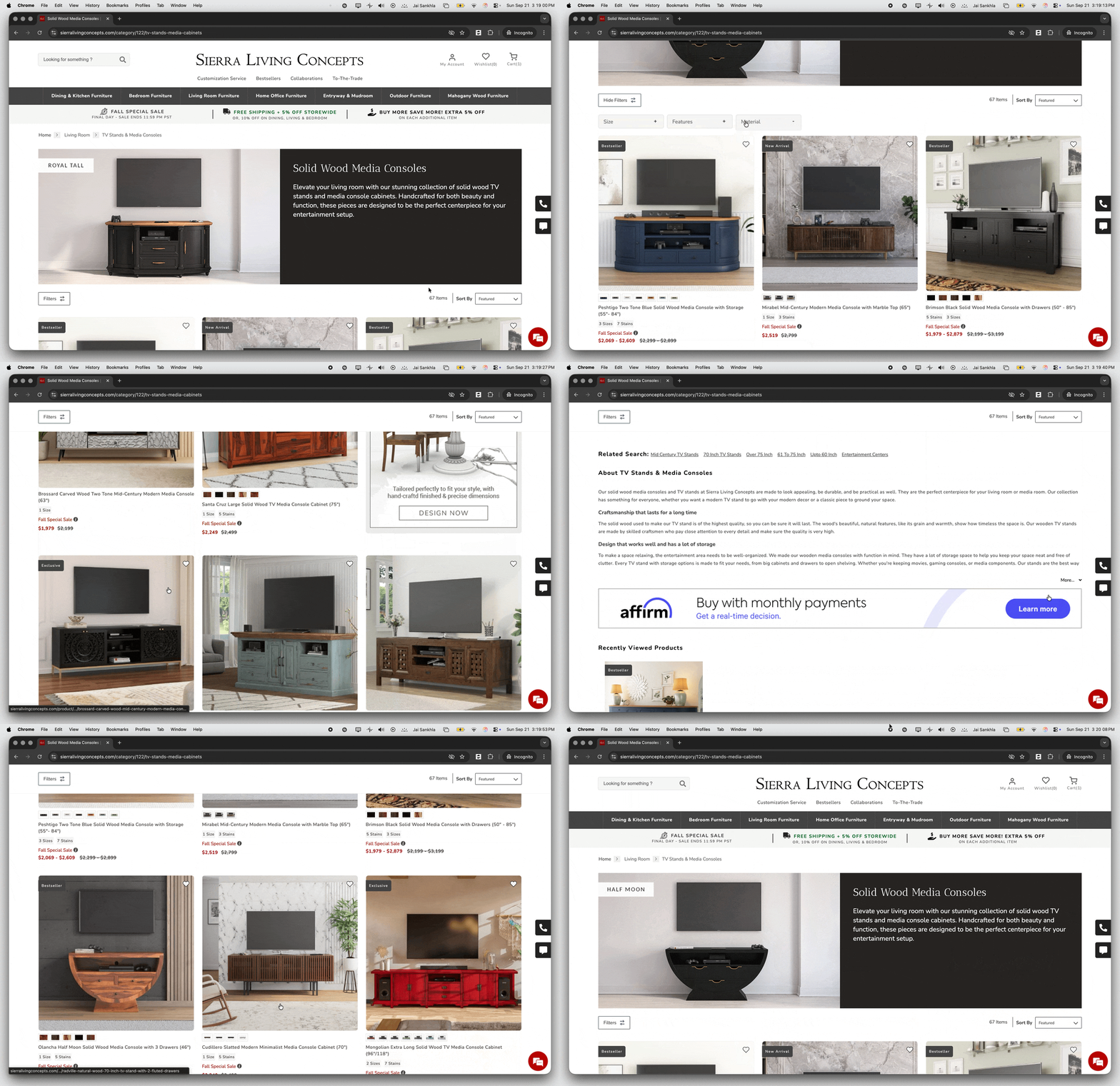
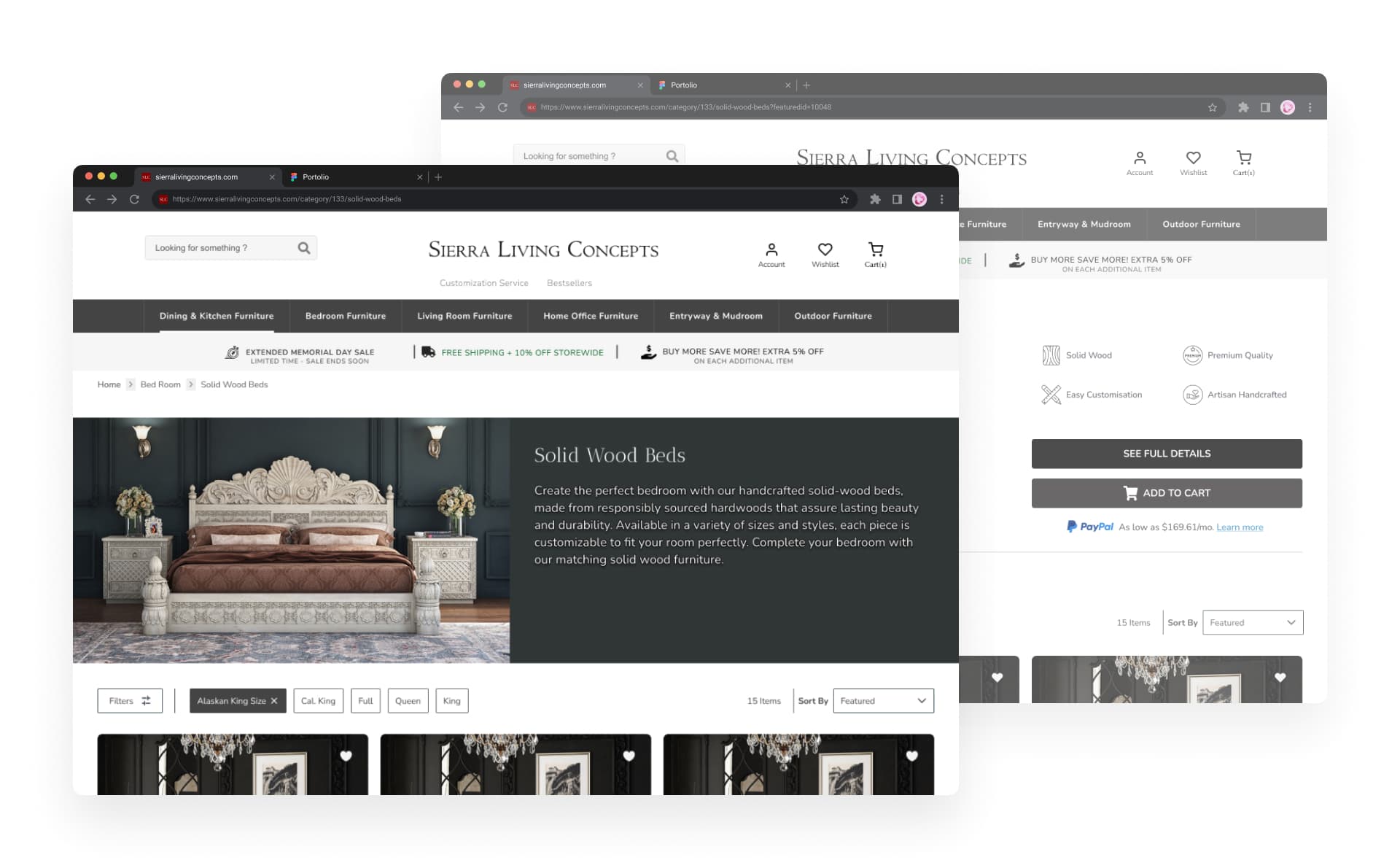
The new redesigned category pages now open with a bold, story-driven hero section and a prominent USP trust bar, replacing the static, text-light grids.
Why it’s better
• Lifestyle Hero — The hero section was redesigned with full-bleed lifestyle imagery that tells a story about the SLC lifestyle — sophisticated, warm, and inviting. Headlines focus on the transformative power of great furniture rather than just product features.
• USP Trust Bar — A persistent trust bar below the hero highlights SLC’s key differentiators: Free White Glove Delivery, 100% Price Match, Easy 30-Day Returns, and Expert Design Consultation. This addresses purchase anxiety early in the browsing journey.
Solution 2: First-View Optimized Paid-Landing Templates
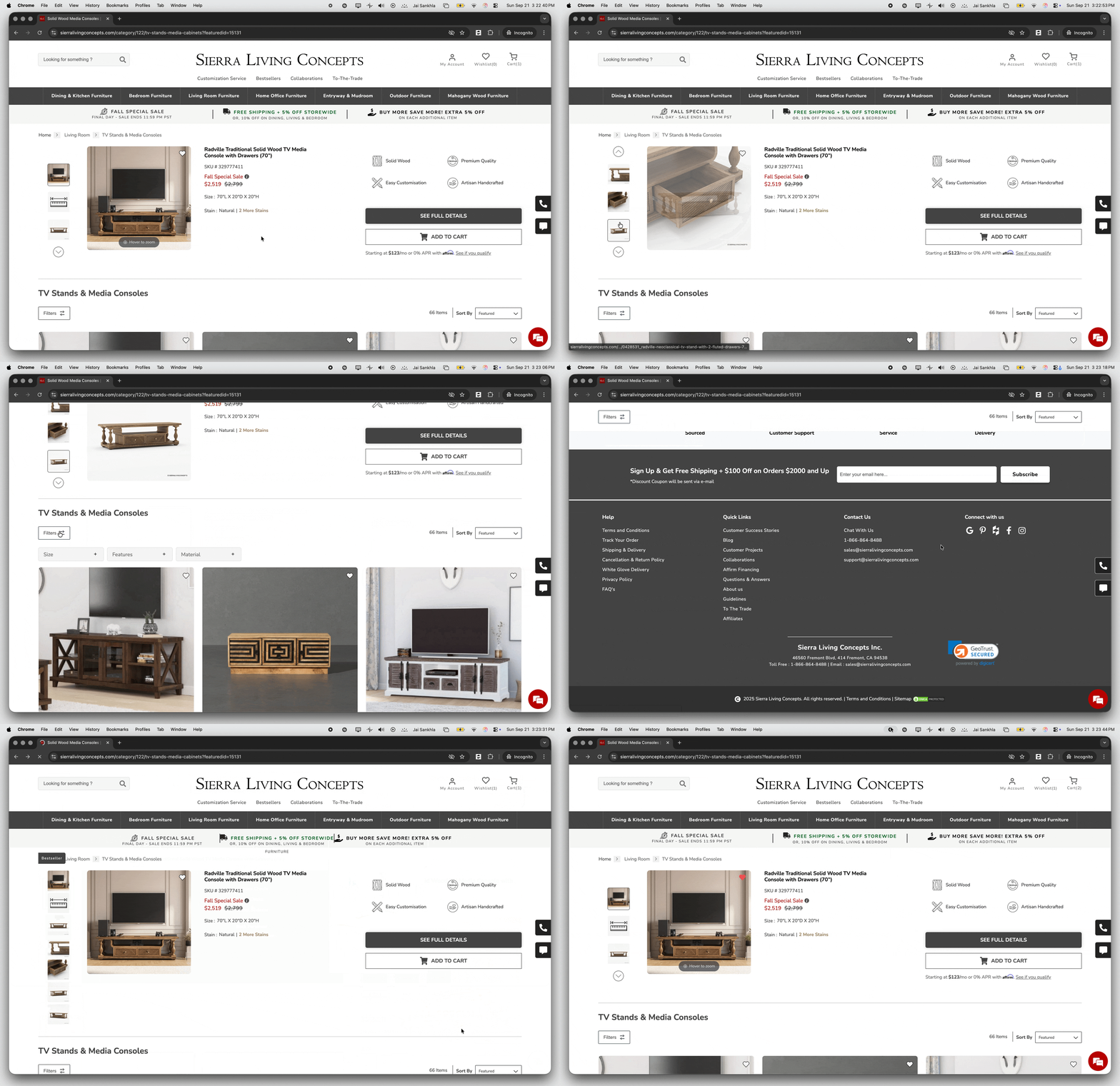
🚀 New Proposed User Task Flow Of Feature ID Page
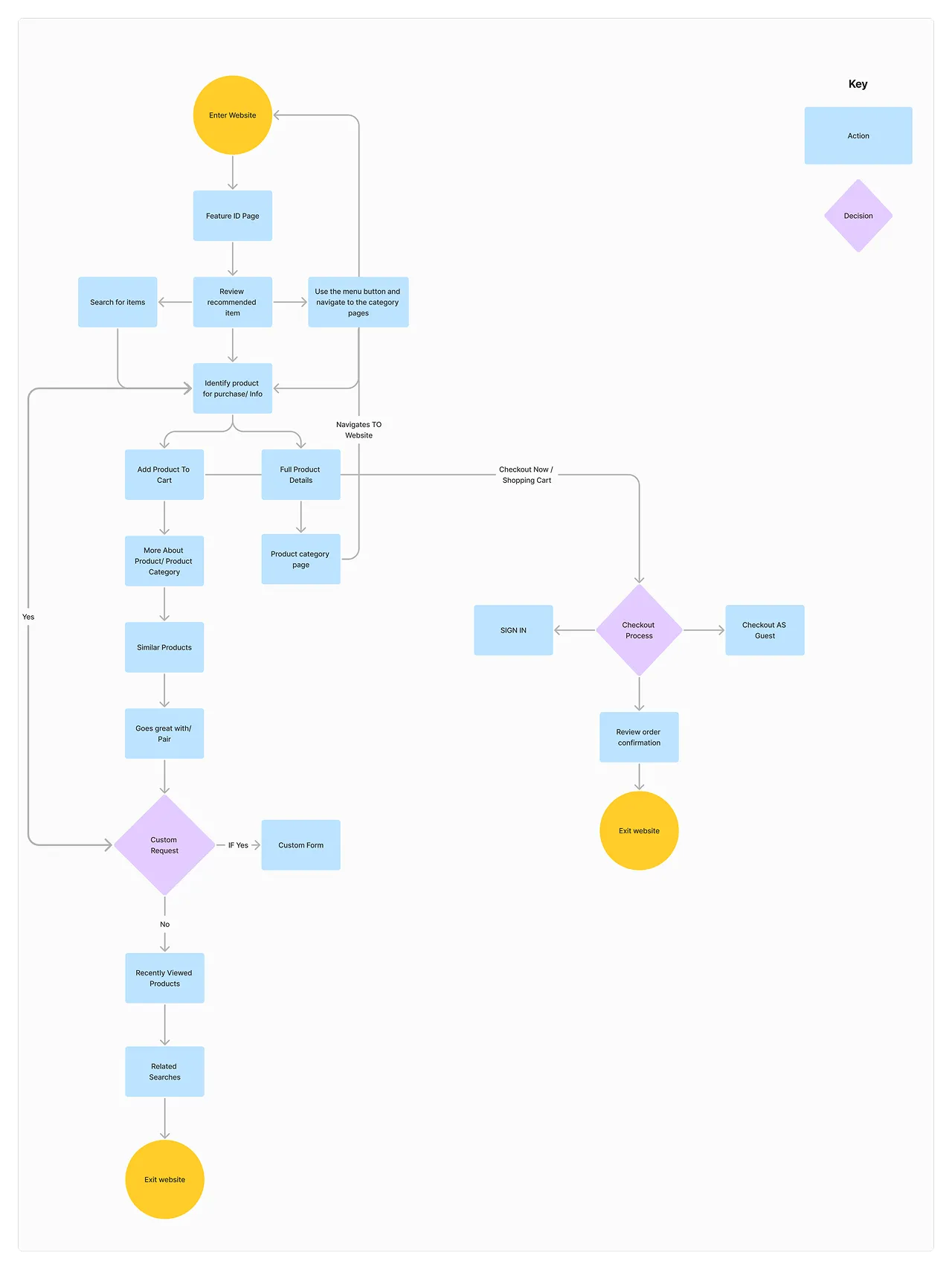
User Flow: The ad-to-category journey redesigned for clarity
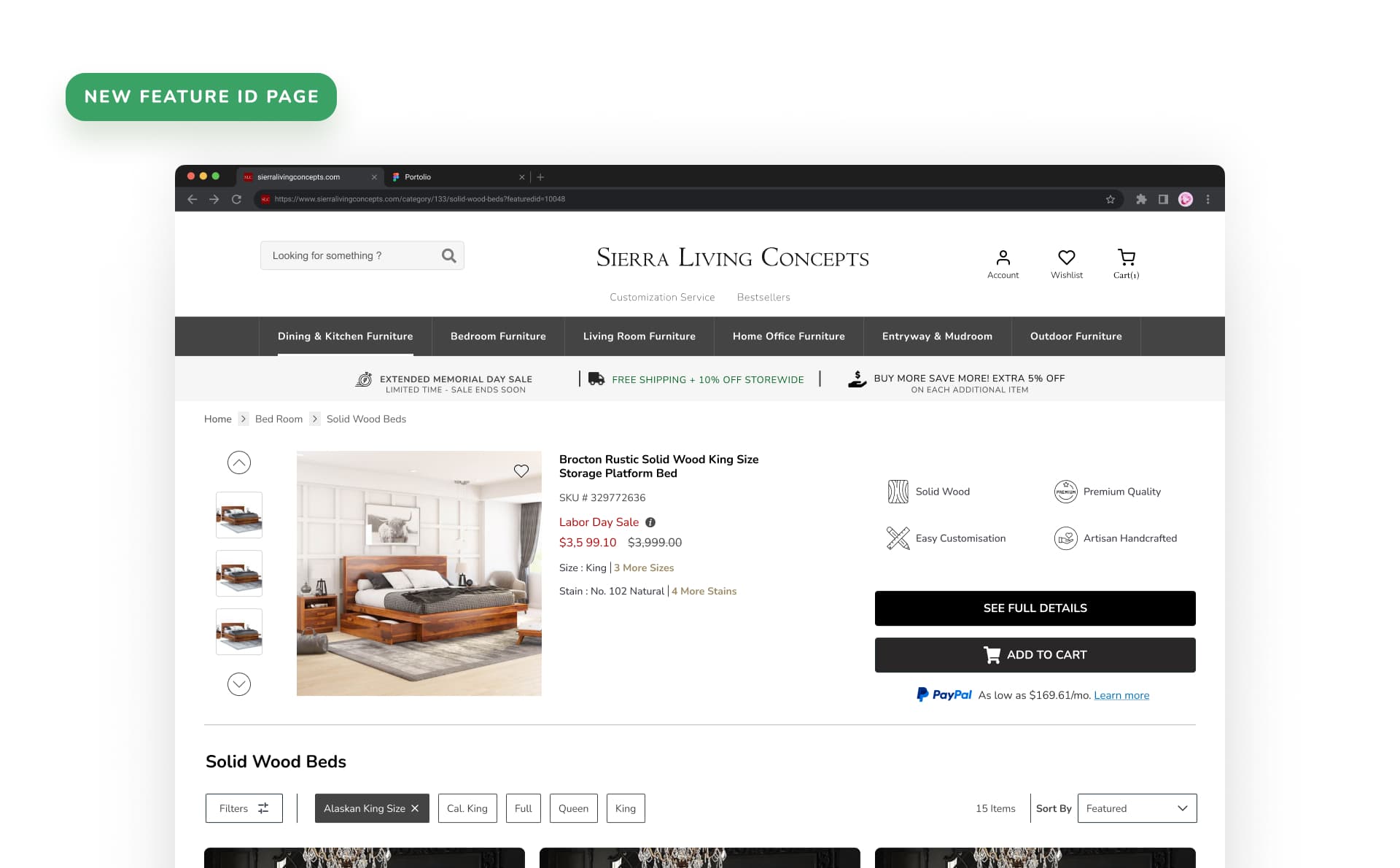
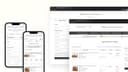
Desktop: First-view optimized landing template
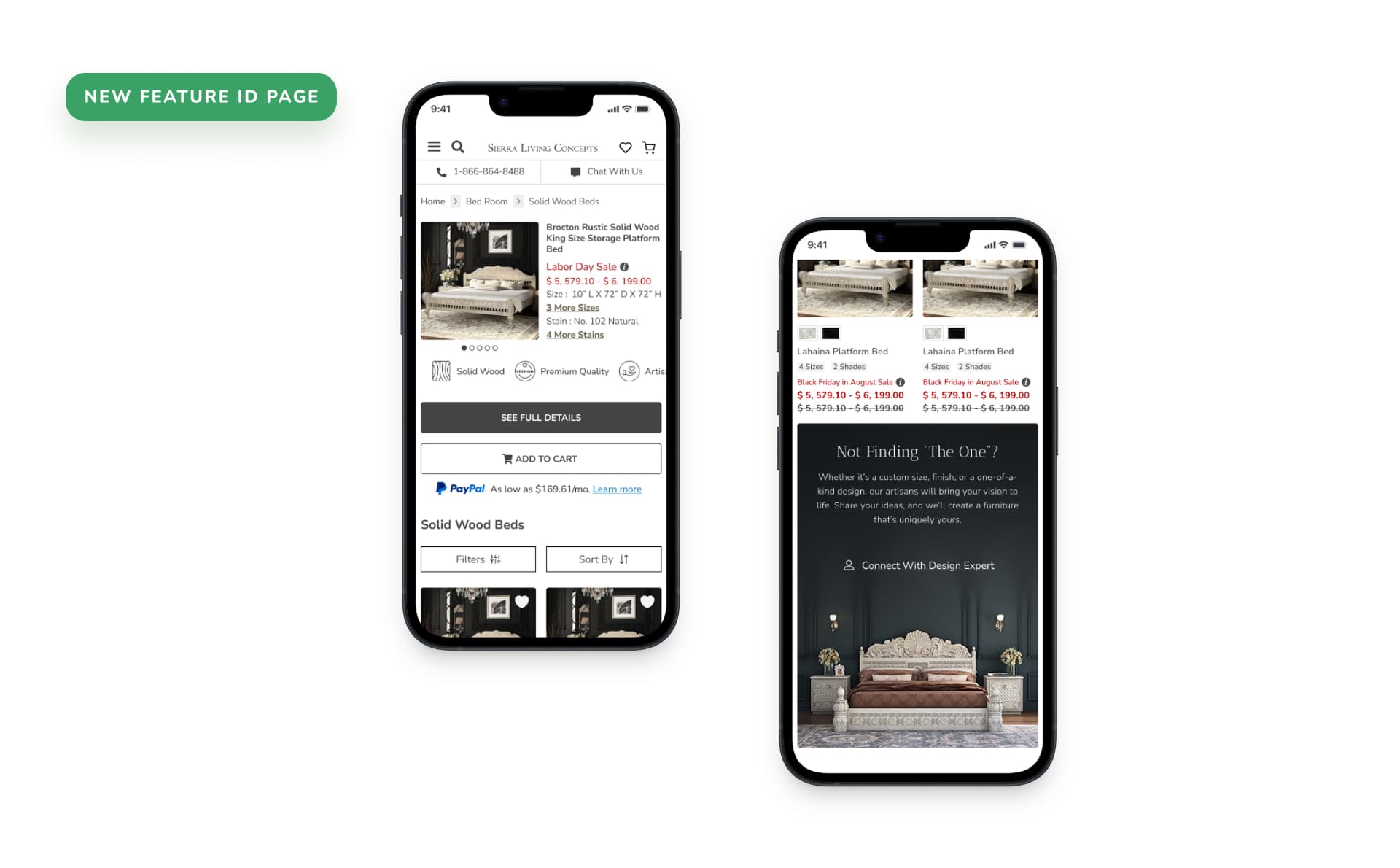
Mobile: Touch-friendly landing template
Paid landing pages now feature persuasive copy, trust elements, and a Lead-Card module within the first viewport, replacing static grids that offered no incentive to explore. The Lead-Card auto-prefills SKU info and connects users directly to an expert chat.
Why it’s better
• Immediate trust cues and a strong first impression keep paid-ad visitors from bouncing before scrolling.
• Lead-Card drove 204 new leads in 90 days — 34% of total qualified leads post-launch.
• Add-to-Cart rate on ad-landing pages rose by 27%, increasing ROI from paid campaigns.
Solution 3: Touch-Friendly Category Design
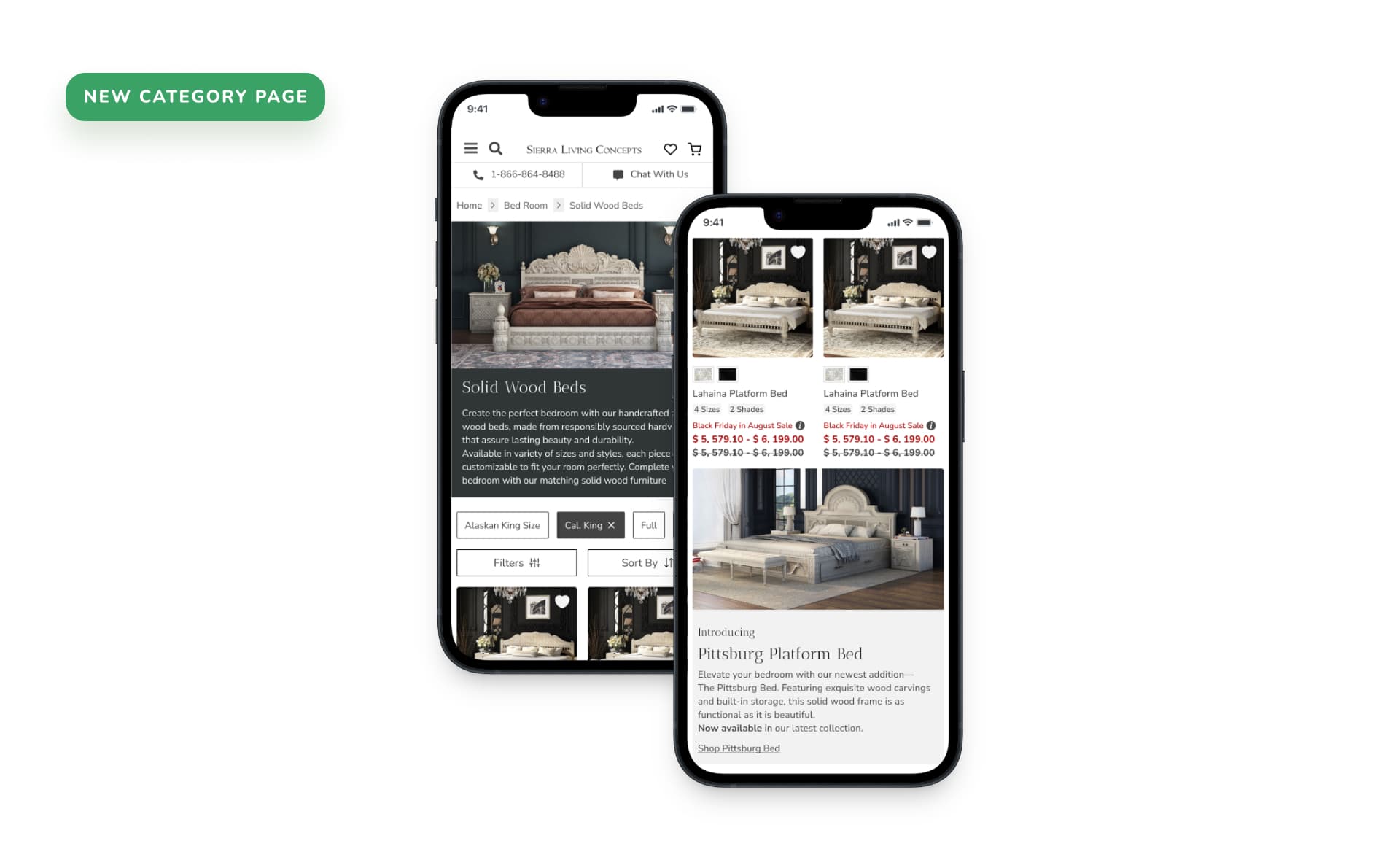
We replaced the old desktop-centric layout with a mobile-first, filter-aware grid. Product cards now auto-fit to screen size, with larger tap zones and optimized spacing for thumbs. Swatch previews and progressive disclosure make browsing smoother without pinch-to-zoom frustration.
Why it’s better
• Mobile users (78% of traffic) now navigate naturally without zooming, ending 32% of rage clicks caused by small product cards.
• The adaptive design increased mobile category page dwell time by 21% and cut bounce rates by 10% for this segment.
• Faster, thumb-friendly navigation keeps the largest audience engaged, turning mobile into a stronger conversion channel.
Challenges & Solutions
Creating a flexible design system for diverse ad campaigns while maintaining visual consistency. The solution was a modular component library that let marketing teams mix and match sections without breaking the brand experience.
Balancing rich storytelling with fast load times required optimized image sizes and lazy loading. Hero images were optimized for above-the-fold rendering while lifestyle galleries loaded progressively.
Getting stakeholder buy-in across marketing, product, and engineering. A cross-functional workshop and user testing videos of pain points helped align everyone around the need for change.
Final Outcome
The redesigned category and paid landing pages resulted in significant improvements across all target metrics. We achieved a 34% increase in qualified leads, a 9.6% decrease in bounce rate (from 60.8% to 51.2%), a 24% increase in average session duration, and a 27% increase in the Add-to-Cart rate from ad-landing pages. All improvements were statistically significant (p < 0.05).
What I Would Have Done Next
Personalized Category Experiences — Implement AI-driven personalization to show different category content based on user behavior, past purchases, and browsing history.
A/B Testing Framework — Build a robust A/B testing framework to continuously optimize landing page variations and category page layouts for maximum conversion.
Cross-Sell Recommendations — Integrate smart cross-sell and upsell recommendations within the category browsing experience to increase average order value.
Signing Off
This project reinforced my belief in the power of cohesive design. Every touchpoint from ad to purchase is an opportunity to build trust and delight users. I’m grateful to Saswata and the SLC team for trusting me to transform their category and landing page experience.
Thank you for reading about my journey in redesigning the category and paid-landing experience for Sierra Living Concepts. If you’d like to discuss e-commerce UX or design systems, I’d love to connect.
Interested in working together?